
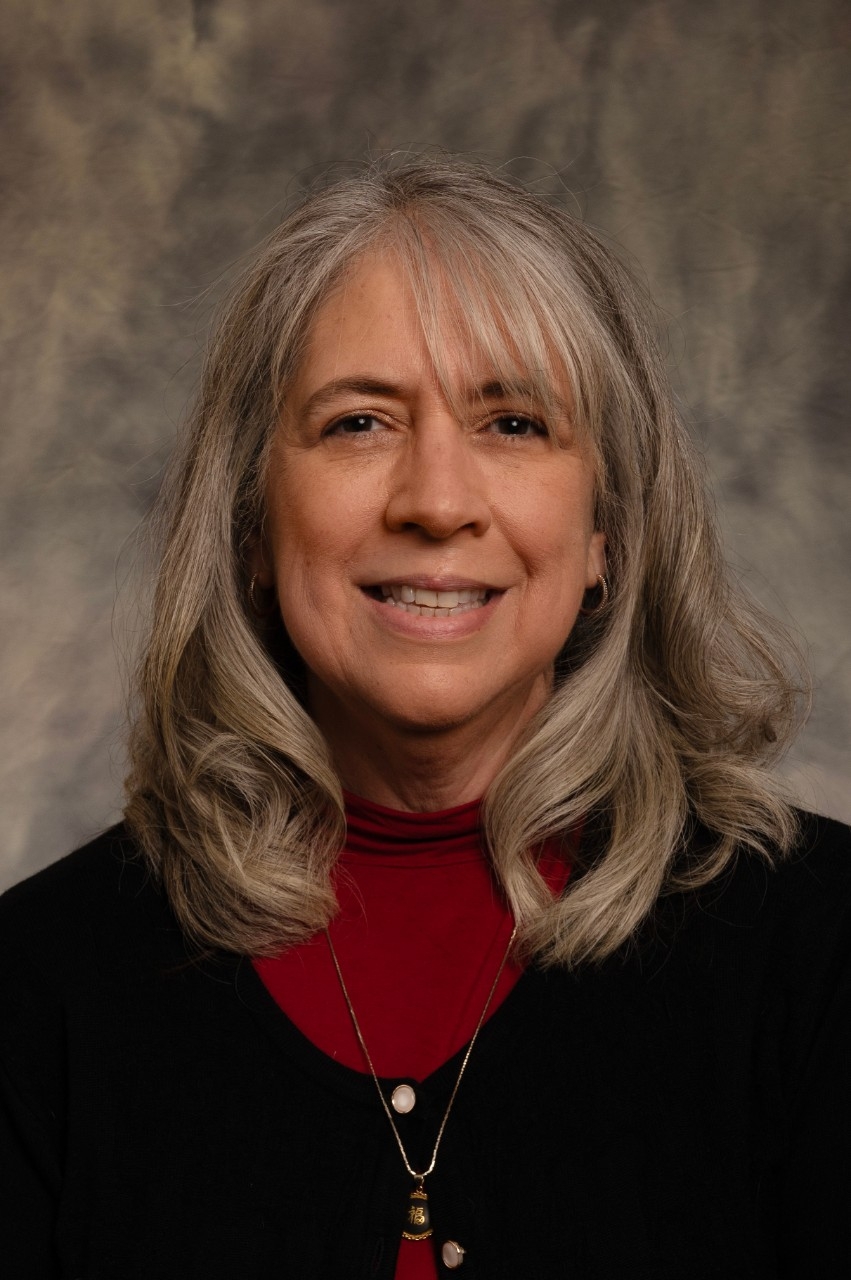
Dr. Deborah “Deb” Amend and her longtime friend Jennifer Petry launched the Cincinnati Adaptive Music Camp nearly 15 years ago after realizing they both were trying to find ways to adapt music instruction for their children with significant physical disabilities.
Dr. Amend, an assistant professor of special education at Northern Kentucky University, has three daughters who learned to play instruments with adaptations.
“Our status quo was you do everything your brothers do; you just find your own way to do it,” she says.
Dr. Amend, a pianist, and Petry, a violinist, were college roommates who lost touch when Petry moved to the West Coast. However, they reunited a few years later and everything fell into place.
“We got back together when she was in town one time, and we realized we'd both been doing this kind of same unusual path. We both had a passion for music instruction and adopted children with limb differences,” she says. “My youngest really wanted to play the cello but is unable to bend her arms. Jennifer had been teaching her daughters how to play with their feet because they have no arms. And so that was the start of us working together because we realized we have this unique skill set of figuring out these adaptive things and being musicians. We thought we could offer this to more children, and so we decided to go ahead and try. We brought in kids from all over the country who had physical disabilities and needed a way to figure out how to access the instrument that they wanted to play.”
The two founders started hosting the Cincinnati Adaptive Music Camp, meant to develop individualized instructional approaches for children with complex physical needs, at local colleges and universities. For the first two years, they only offered piano and strings. They later expanded to offer woodwinds, bass and guitar and brought in special instructors like Dr. David Nabb, a one-handed saxophonist from the University of Nebraska.
They disbanded for a few years to focus on their careers and families but reunited recently to become the Cincinnati Adaptive Music and Arts Camp. They expanded their offerings so students could choose between six tracks: strings, brass, guitar, piano, woodwinds and ceramics and sculpture.
They also partnered with May We Help, a Cincinnati-based engineering charity to create custom supports and instruments, such as stands, bow holds or special seating.
“May We Help sends a team of engineers, and an engineer is partnered with a teacher. If there are any needs for adaptive devices, then they design and build the adaptive devices—stands, bow grips or special things,” she says.
One of Dr. Amend’s goals is to add a teacher training track to the CAAMC.
“What I would love to see happen is to launch an asynchronous online education class that then could have a component where they come in and do a week-long intensive internship,” she says. “I am working on that curriculum for training teachers. I'm trying to focus my work in that way—trying to understand what we need to do for better inclusion practices for adaptive musicians—because our goals are always to get them playing in a community band or orchestra. Inclusion is always the goal.”
Dr. Amend’s passion for adaptive learning and teacher training led her to a master’s and doctorate degree in special education. She joined NKU in 2024 and brings that passion into her classrooms with special education students.
For her, it all starts with rhetoric.
“Within the special education program here, we’re really looking at how we continue to develop this in a way that's keeping up with the trends in special education and infusing it with more disability rhetoric. If you go back to the beginning of public special education, it has very ableist roots. It was created by people who were steeped in eugenic ideology and saw people with disabilities as less than human. They were categorizing people based on what they perceived to be their intelligence and their value. Parent advocacy is what brought about the changes in the laws and inclusion. One of my goals within our program is really making sure we are disability rhetoric and disability studies friendly and merging those two because that's the direction we have to go in order for there to be good growth in our teachers.”
In her classes, Dr. Amend teaches about many different types of disabilities and biological diversity. But she also wants her students to be thinking about instructional planning and identifying best practices for their own students.
“I have a module on adaptive instruction for the arts, but I would love to see a separate class for our art and music and even gym teachers to better equip them for inclusion. Art, music and gym are often the first places that inclusion happens,” she says. “And so I think the better we can prepare our teachers for that, the better off everybody is. My work has been more about how we identify best practices. We're never going to have a universal way to teach adaptive music or art, but we can come up with principles to help guide teachers. That's what the focus of my research has been—these principles that we can use so that a teacher knows where to start in figuring out how they're going to play that instrument or how they're going to hold sculpting tools or whatever it is that they're doing. My goal is to create those methodologies.”

Editor, NKU in View
Assistant Director, University Communications
A Golden Anniversary: Looking Back at 50 Years of NKU Volleyball
From theater nomad to founding director: Ken Jones’ lasting impact on NKU, SOTA and its students
“Cross the Valley:” NKU student filmmaker finds global success with passion project
NKU Founders’ Day: 1,968 Minutes of Giving to Show What it Means to Be a Norse